
When you’re experiencing déjà vu following Valve’s announcement of a little bit cubic “Steam Machine”—primarily a PC gaming console—it is as a result of Valve already introduced and launched Steam Machines a decade in the past. It did not work out so effectively again then, however this time, I feel Valve has an actual shot at lastly decoupling a good chunk of PC gaming from Home windows, if not your complete saucer part.
Because of this, the unique Steam Machines had been by no means taken significantly as an alternative choice to desktop PCs or consoles just like the Xbox One. Producers began placing Home windows on them to get them out the door.
“No one was shopping for it with SteamOS,” boutique PC maker Digital Storm informed me on the time.
However after shelving the Steam Machines label, Valve saved engaged on the issue, and now has three potent new substances:
- A a lot improved SteamOS with its new Proton compatibility layer, which permits it to run Home windows video games effectively, with some exceptions (most anti-cheat software program would not play good with it).
- The Steam Deck, which runs SteamOS and did turn out to be widespread, creating an incentive for sport builders to ensure their video games on the very least work with Proton, if not Linux itself.
- So many extra video games, together with former Xbox and PlayStation exclusives. The Steam library has expanded mightily in simply the previous decade because of adoption by nearly all the massive publishers that when deserted it, in addition to its Steam Direct self-publishing system.
In the meantime, Home windows 11 is wonderful, however Microsoft nonetheless hasn’t managed to turn out to be the de facto gaming supplier by itself OS. Its UWP structure did not take off with sport builders, and the Microsoft Retailer stays nothing greater than an icon to unpin from the taskbar after a contemporary Home windows set up. The Xbox app is best, however I would solely use it if I had been a Recreation Cross subscriber.
The present mass market is clearly much less inquisitive about ray tracing than it’s having video games that merely run effectively on reasonably priced techniques.
On the {hardware} entrance, we have heard from Microsoft that the subsequent Xbox console will probably be “a really premium, very high-end, curated expertise,” which strikes me as an odd plan. We’re a great distance from the zenith of technical complexity video games can attain, however the present mass market is clearly much less inquisitive about ray tracing than it’s having video games that merely run effectively on reasonably priced techniques.
We do not know what the brand new Steam Machine will value but, however the spec sheet for Valve’s dice says that the semi-custom AMD GPU helps 4K ray tracing at 60 fps should you use FSR upscaling, a body rate-boosting method much like Nvidia’s DLSS. So it is a first rate gaming PC, however not top-of-the-line. (There will be different fashions, however it’s TBD whether or not Valve can once more drum up pleasure from boutique PC builders or get hobbyists like us constructing our personal SteamOS rigs.)
Savvy customers may even respect that they will set up non-Steam video games and software program on SteamOS, whereas Microsoft’s “curated expertise” remark does not imply that the subsequent Xbox will probably be an open platform, regardless of certainly being a Home windows PC sporting an Xbox go well with. (That openness is why I nonetheless take into account Steam Machines to be PCs, quite than full-on consoles. MS might nonetheless shock us on that entrance.)
Valve’s escape plan is now one thing to take significantly.
A great-enough PC in a small type issue paired with Steam’s rising library of SteamOS-compatible video games at a (I hope) modest worth appears like a robust play proper now. The identical technique is working for the Steam Deck (presently priced at $400-$650, in comparison with $600-$1,000 for the Xbox ROG Ally handhelds), and the dice can strengthen that small however steady foothold within the console market. It is nonetheless a protracted climb to the highest, however Valve is in no rush, because it continues to soak up cash from Steam even when it sits nonetheless.
Picture 1 of 4

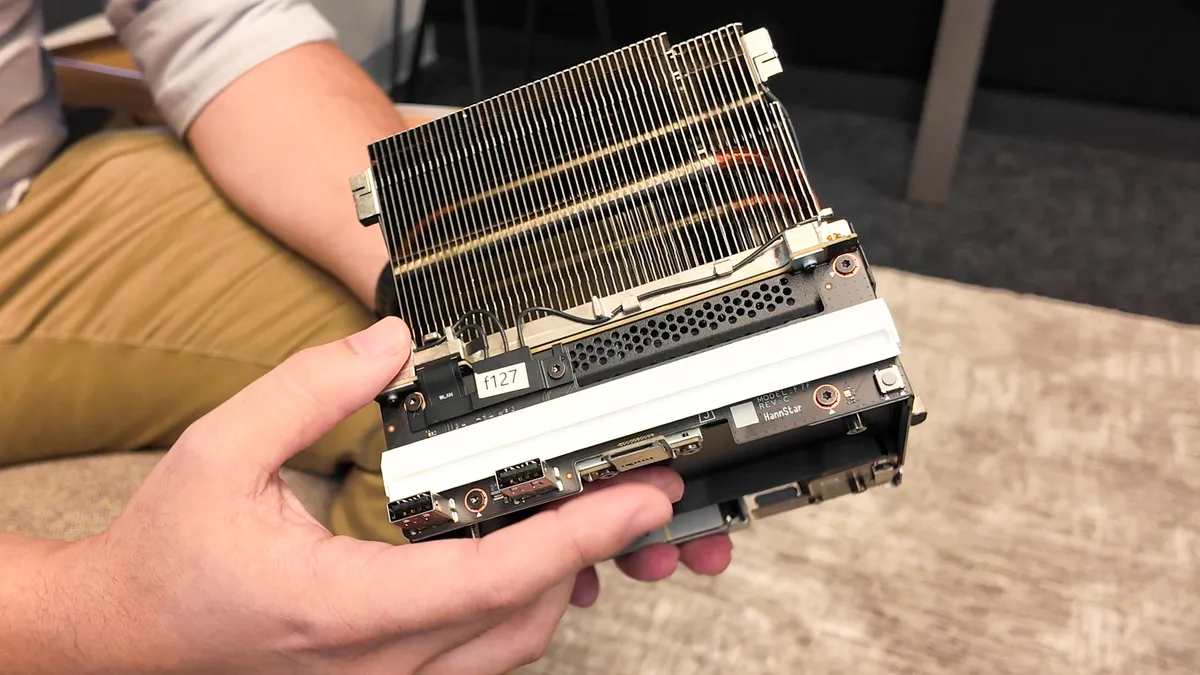
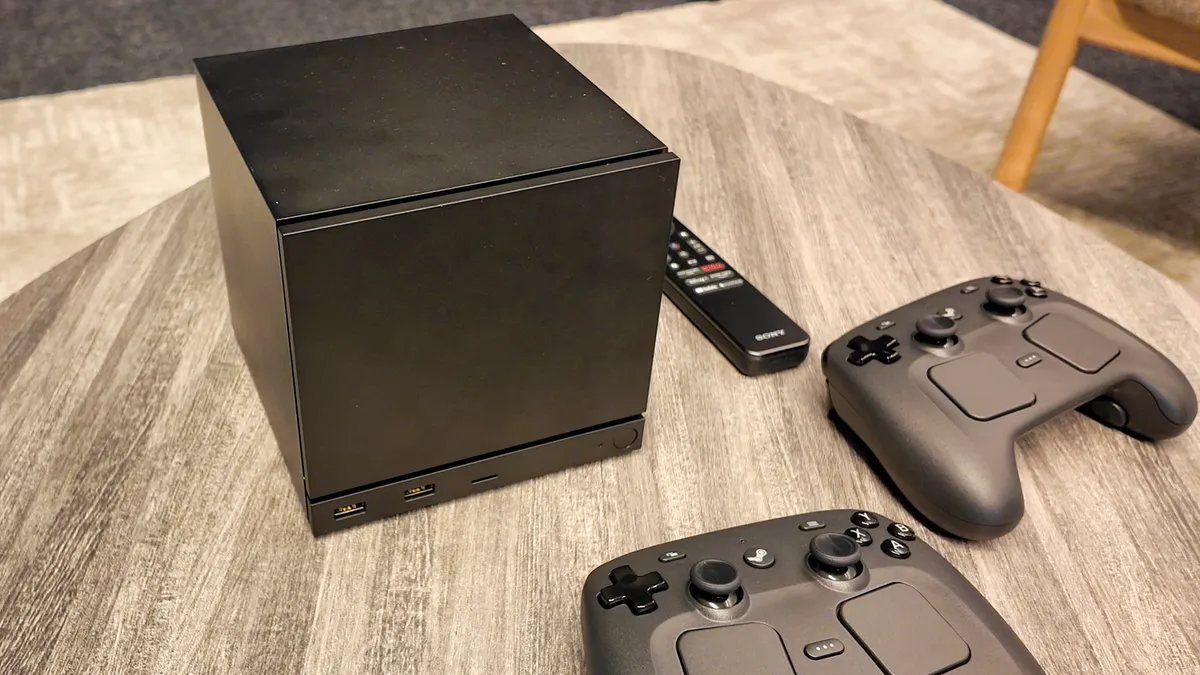

For a very long time we have famous with a chuckle that it have to be irritating for Microsoft that, regardless of proudly owning the OS that nearly everybody performs PC video games on, it is by no means been in a position to wrest management of PC sport distribution from Valve. However now it appears like we’re getting into an period outlined by the reverse dynamic: Valve making an attempt to divorce its destiny from that of Home windows.
When Gabe Newell and firm first began constructing their Linux-based ark to flee to in case Microsoft ever pulled one other Home windows 8 on us (Newell hated Home windows 8, calling it a “disaster”), it appeared like a pleasant dream, however that was it. Home windows was simply too dominant.
At this time, Home windows nonetheless could be very a lot the dominant OS—94.84% of Steam customers are utilizing some model of Home windows, based on the most recent consumer survey—however Valve’s escape plan is now one thing to take significantly. It prised open a fissure and wedged the Steam Deck into it, and the share of Linux customers on Steam has been slowly rising ever since. Jam a dice in there, too, and who is aware of?
In associated information, Valve has additionally introduced a brand new Steam Controller and a wi-fi VR headset referred to as the Steam Body—it is clearly all-in on its {hardware} enterprise.


