
As soon as upon a time, in a recreation known as Baldur’s Gate 2, there was a woman named Aerie. Aerie was a formerly-winged elf who labored in a circus and had quite a lot of private trauma, which she labored out over the course of an prolonged courtship with you, the male participant character. Sooner or later, she would get pregnant, and the ensuing youngster—named, within the blunt language of early CRPGs, “Aerie’s Child”—would maintain everlasting tenure in your already-limited stock, in an area you would possibly in any other case put a bundle of arrows or a longsword.
This can be a sequence of occasions which I now regard as having ruined all of videogames.

To be honest to poor, pinioned Aerie, she was not the one possibility within the recreation’s ragbag of sweethearts, however she is the one which sticks in my reminiscence, largely due to the storage child. However the form of BG2’s romances is the form of so many RPG romances since. Swap out Aerie for Liara, Viconia for Lae’zel, Anomen for Alistair—many years later and we’re nonetheless wooing the identical hotties by completely different names. It doesn’t work for me.
The factor about relationships is that they happen between two folks (maybe extra, for those who’re radical or French), not one totally realised character and their beloved clean slate. For as a lot as I attempt to roleplay a sure imaginative and prescient of my avatars in video games like Baldur’s Gate (2 and three), Mass Impact, Pathfinder or, hell, even Stardew Valley, they’ve basically fewer dimensions than their romantic counterparts.
Shadowheart is a well-rounded particular person with historical past, preferences, and traumas. My participant character is a degree 9 Monk who hits issues actually exhausting and picks the great dialogue choices, which isn’t a persona. Maybe the failure right here is in my creativeness, however whereas I am invested in Shadowheart’s arc, I am not invested within the alchemy that takes place between her and my cut-out of a protagonist. It is going to by no means really feel like way more than making my dolls kiss.
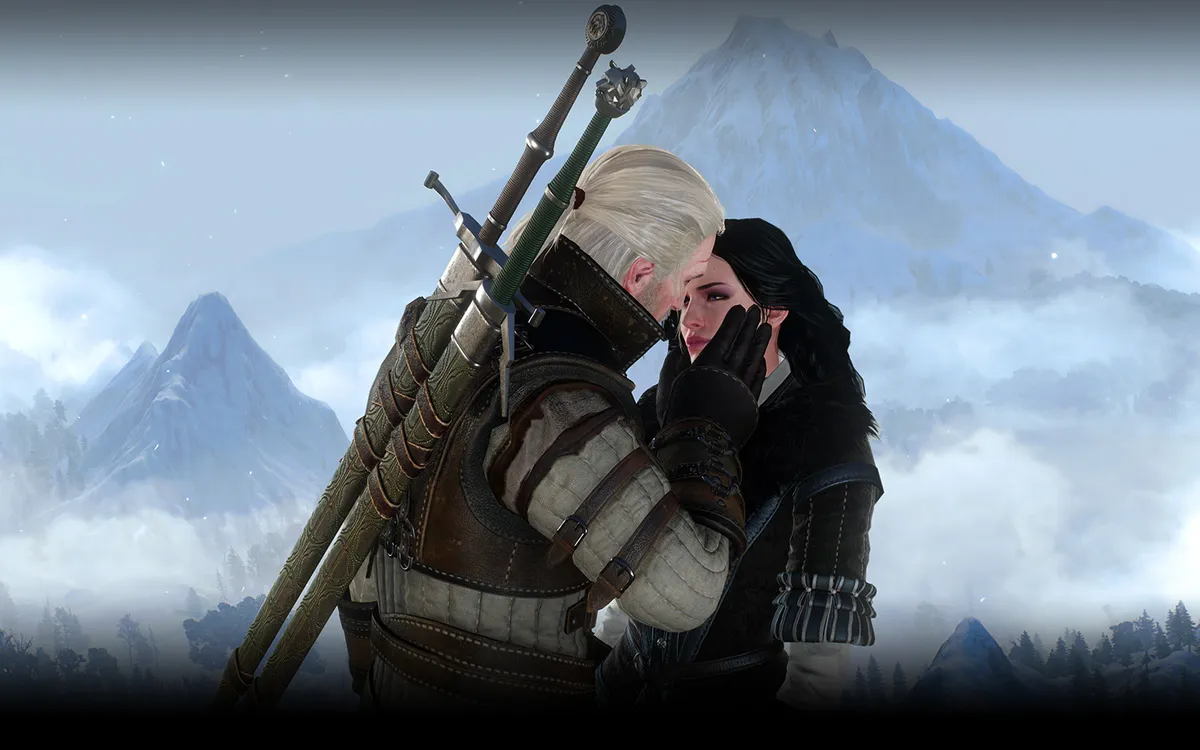
Some RPGs do pull this off, certain: I genuinely cared about Geralt’s relationship with Yennefer, as an example, and that is as a result of each Geralt and Yennefer felt like people with flaws and quirks fencing in my roleplay choices. You possibly can’t do the identical factor whenever you permit the vary of fundamental character personalities in your traditional BioWare-style RPG—what, of curiosity, might be produced between two folks when one among them might exist anyplace on the ethical spectrum from Albert Schweitzer to Albert Fish?
Obsidian has all the time understood this, I believe, and it is why—for as a lot as I’ve felt its most up-to-date RPG output has been solidly ‘fairly alright’—I’ll all the time defend its alternative to not make investments writers’ time in shoehorning in romances that may solely be there as a result of they’re anticipated. When it launched your companions for The Outer Worlds 2 in pre-release advertising, it pointedly affirmed that you could possibly stay awake with them.

Romantic components of Obsidian’s video games typically happen between different characters, slightly than between protagonist and occasion members: Christine and Veronica in New Vegas, or Parvati and Junlei within the first Outer Worlds. Once they do happen between the participant and an NPC, they’re some flavour of all-screwed up (KOTOR 2’s Exile and… everybody). The uncommon instances the studio has taken stabs at conventional CRPG-style romances, as in Deadfire, they have been, properly, sort of unmemorable.
So maybe what I would like is just not essentially much less romance in my blank-slate RPGs, however extra romance between characters which might be truly totally fledged. Extra romances between my occasion members for me to spectate and fewer between my occasion and their glorified blow up doll of a frontrunner.


