
I just lately began taking part in Metroid II: Return of Samus for the primary time. I’m undecided why. Possibly it was a manner of staving off my intense cravings for Metroid Prime 4: Past, which as of writing nonetheless doesn’t have a launch date extra concrete than the obscure ‘2025’ window Nintendo revealed over a yr in the past. In any case, Metroid II impressed me nearly instantly, but it surely wasn’t till I noticed heroine Samus Aran die that I realised simply how distinctive it’s in relation to the remainder of the sequence.
Whereas the online game business locations plenty of significance on the advantages of extra highly effective {hardware}, builders can even do unbelievable issues when introduced with limitations. Metroid II, launched in North America in late 1991 earlier than making its option to Japan and Europe the next yr, is a superb instance of this phenomenon. The adjustments made to make sure the nascent Metroid method was readable on the Sport Boy’s small, colourless display resulted in a handheld journey nonetheless praised as we speak for its austere ambiance.
Metroid II is claustrophobic, no less than when in comparison with its predecessor on the Nintendo Leisure System. The rooms in each video games will not be a lot completely different in measurement, however the transportable sequel focuses so intently on Samus that it usually feels as if there’s barely any area to navigate its tunnels and passageways. Metroid II’s perspective shift, mixed with its story about genociding the sequence’ eponymous parasites, makes for a sport that’s darkish and oppressive whereas nonetheless managing to really feel like a pure subsequent step in what, on the time, was a younger franchise.
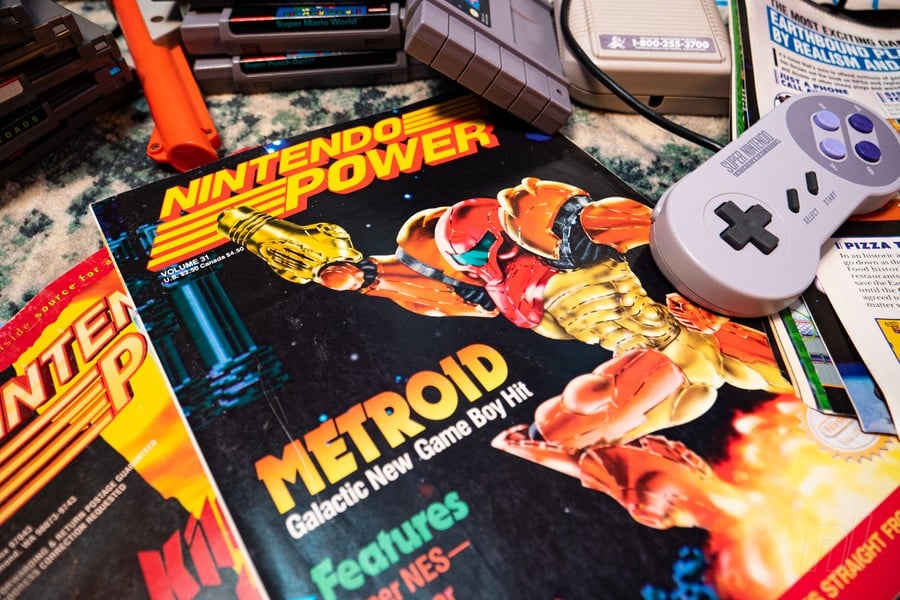
My first few hours with Metroid II have been uneventful. I messed round with the controls and acclimated to the grayscale environments of the Metroid homeworld earlier than settling in to Samus’ mission of extermination. As this stuff usually go, I quickly discovered myself low on well being courtesy of the planet’s harmful inhabitants. I scrambled to succeed in a earlier save level to keep away from dropping a number of valuable minutes of progress, however finally my reserve power tanks hit zero after taking too many hits. And that’s when Samus shocked me by merely… fading away.
I’ve grown accustomed to one in all two issues taking place whenever you die in a Metroid sport. The primary, seen in nearly each different 2D instalment, is that Samus and her go well with will explode into a number of items. The second – and infinitely extra traumatic, no less than within the case of Metroid Prime 2: Echoes – is watching Samus’ visor blink out from a first-person perspective after which being handled to the sounds of her coronary heart flatlining and/or the picture of blood spreading slowly throughout the sport over display. Dying is climactic and each sport within the sequence makes it really feel necessary.
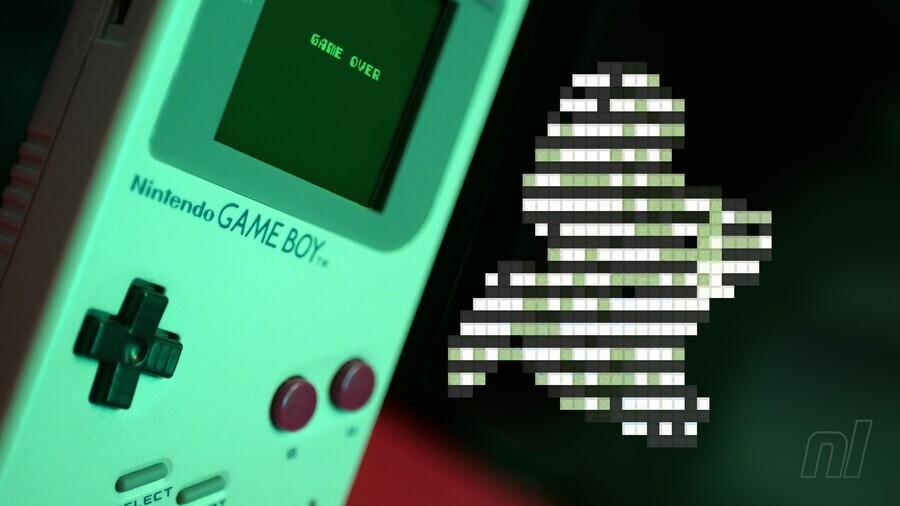
Properly, each sport besides Metroid II, in fact. As proven within the video beneath, Samus does not explode, and the sport over display is nothing greater than white textual content on a black display. She simply ceases to exist, the tons of of pixels that make up her sprite disappearing line by line till nothing is left. The sport leads us to consider Samus is the one individual able to eliminating the Metroid menace, but it surely treats her defeat with hardly any reverence in any respect.
The observable universe is calculated to be a area of about 410 nonillion cubic light-years doubtlessly containing as many liveable planets as there are grains of sand on all of Earth’s seashores, and that’s simply what we will see with present know-how. Actuality itself might very effectively be infinite. Positive, our restricted perspective could make us really feel like we’re all there’s, however within the grand scheme of issues, what affect does the lifetime of anybody individual really have on the universe as a complete? If a world inhabitants of over 8.2 billion individuals quantities to only a drop within the common bucket, then the demise of a single bounty hunter — or perhaps a handful of area jellyfish — is so cosmically insignificant, it could as effectively haven’t occurred in any respect.
It’s laborious to say if Nintendo supposed to impart this type of existential disaster with Metroid II. Possibly the builders struggled with translating the demise animation from the earlier sport onto the Sport Boy display and felt a brief fade-out can be sufficient to convey Samus’ demise. Metroid II could seem to be an outlier when in comparison with the remainder of the franchise because of the angle supplied by the intervening a long time, however on the time of its launch, it was simply the second sport within the sequence. Elements of the Metroid method we take without any consideration as we speak have been nonetheless being hammered out. It’s solely doable I’m inserting an excessive amount of significance on a three-second animation.
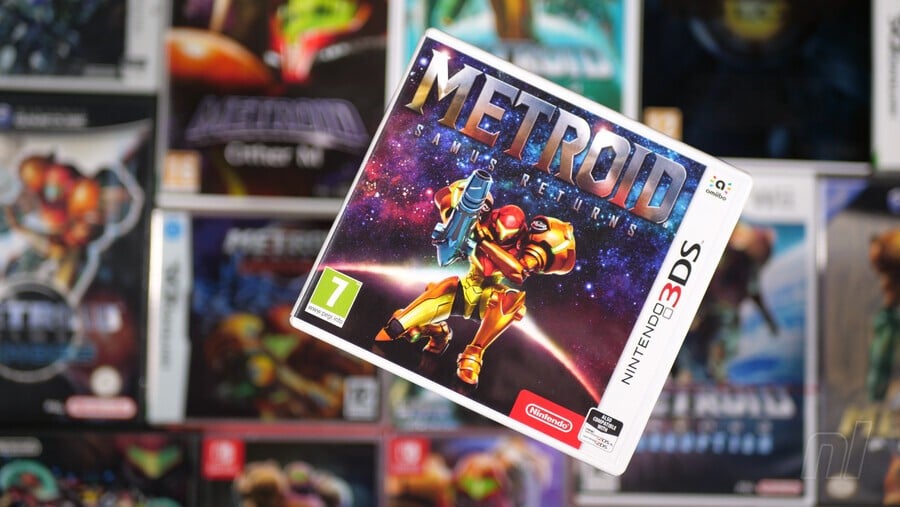
However isn’t that what’s nice about artwork? It permits us to go deep on matters which will appear skinny on paper however contact us in significant methods. A small crew at Nintendo made a comparatively minor choice about what occurs when the participant dies, and nearly 34 years later, it’s making me take into consideration my place within the universe.
Even as we speak, Metroid II is a crowning achievement, equal components compelling in its presentation and spectacular in the way it manages to offer a sprawling journey on the first-generation Sport Boy. Its utter indifference in the direction of Samus Aran relegates her to an insignificance that stands in stark distinction to the just about godlike determine she’s grow to be in fashionable instalments. Whereas the remainder of the sequence usually turns Samus’ demise into the form of spectacle reserved for fallen heroes, Metroid II as a substitute displays our personal huge, unfeeling universe with what quantities to a shrug. All of us simply fade away.

