In an latest interview with Digital Developments, Sq. Enix producer Masaaki Hayasaka talked in regards to the methodology and pondering that goes into the writer/developer’s HD-2D remakes, and the artwork fashion that followers have come to like from sequence like Octopath Traveler.
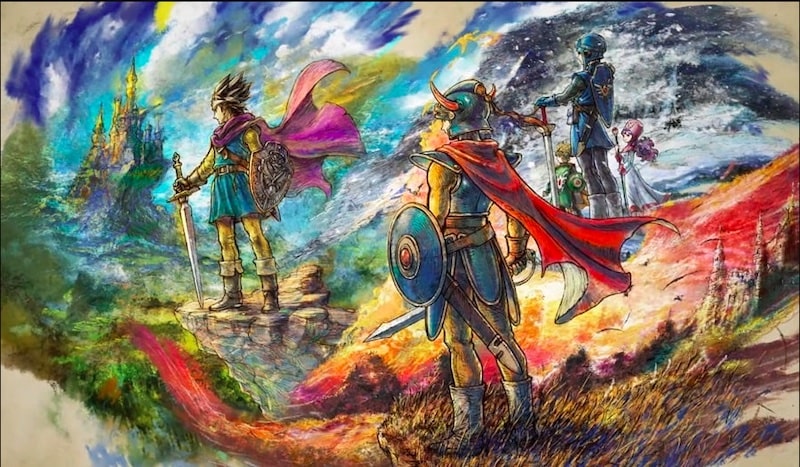
If you happen to’re one of many many who love this new look in Octopath or in titles just like the Dragon Quest III HD-2D Remake, then you definitely’ll be joyful to listen to that Hayasaka says the crew goes to proceed increasing on what these remakes can seem like.
The crew needs to maintain innovating, and desires to maintain “exploring graphic kinds,” which is how the entire idea took place within the first place.
“The HD-2D fashion was created and impressed by the golden age of the 16-bit period, when the standard of pixel artwork was at its prime. Even after we merely say “remakes,” there are numerous strategies of doing so that will match the distinctive traits of a title, however as a result of the HD-2D fashion was born the way in which it was, it was an ideal match for remaking video games that initially used pixel artwork. It’s nearly tougher to imagine they wouldn’t mesh effectively collectively.”
Hayasaka additionally added “Somewhat than evolving, it could be extra correct to say that it’s increasing additional and additional, For instance, in Triangle Technique — which adopted Octopath Traveler — the digital camera could possibly be rotated, and in Dragon Quest III HD-2D Remake, we experimented by using colour palettes that felt genuine to Dragon Quest alongside a components to forego pixels within the background.”
“I’m certain future HD-2D titles may also add their very own distinctive new spin to the idea, and these improvements will proceed to push the boundaries of HD-2D expression sooner or later.”
Supply – [Digital Trends]