
Moore’s Regulation observes that transistor counts are inclined to double each couple of years. Nevertheless, if there’s huge yield wastage for every profitable chip produced, transistor counts matter little. The cash and capital required to maintain up with these ever-denser transistor counts will likely be an excessive amount of. It appears to be like like Samsung is on this spot proper now with its 3 nm course of node.
As Enterprise Korea (through TechPowerUp) notes, a July report revealed by Samsung Securities prompt spinning off Samsung’s Foundry, a division which produces chips for third events. The report would not paint a reasonably image, as Enterprise Korea says it predicts “an working loss forecasted to achieve 500 billion received (roughly $385 million)” for the non-memory enterprise division.
Samsung’s response to that is to query totally different methods transferring ahead, even maybe spinning off its foundry division. In line with Enterprise Korea, the chip big says that “for the reason that foundry enterprise requires nearer contact with purchasers, energetic localization like establishing extra crops within the US is important” and asks, “How about spinning off the foundry enterprise and itemizing it within the US?”
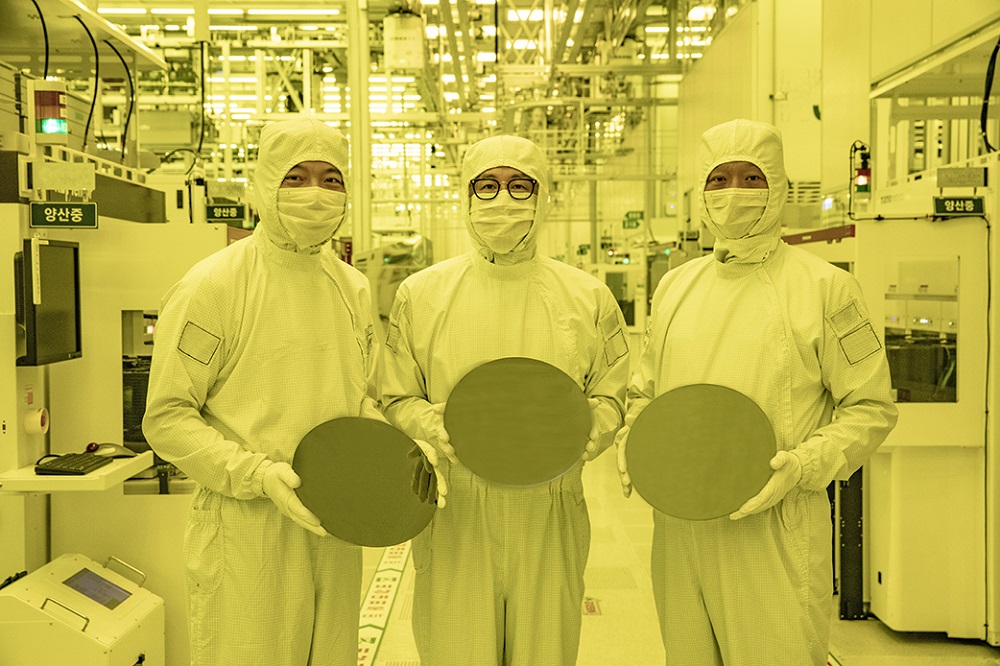
Working losses appear to be partially as a result of low yields returned by the corporate’s 3 nm 3GAA course of, which began churning chips halfway by 2022 and has struggled ever since. We heard about low yields earlier this 12 months, and to a lesser extent even again in 2023.
Yield refers to what number of useful chips come out of every wafer produced—the decrease the yield, the less totally useful chips may be produced from every batch. If yields are low, as they appear to be with Samsung’s 3 nm node, corporations are much less more likely to need to produce their chips on it as they’re more likely to get much less return for his or her cash.
We won’t be so reductionist as accountable speak of a foundry spin-off solely on low 3 nm yields. However it can actually be an element. TSMC’s 3 nm nodes appear to be faring a bit of higher. Whereas Nvidia’s sticking to N4 for Blackwell, TSMC’s N3 nodes are reportedly at full capability because of that includes in Intel Lunar Lake laptops and Apple’s iPhone 16.
In reality, in terms of essentially the most related mass-produced chips—particularly, AI and knowledge centres—TSMC nonetheless has the lion’s share of the ever-growing pie. Mix this with a disappointing Samsung 3 nm course of and geopolitical woes, and it would make sense for Samsung to let its foundry go its personal approach.
Regardless, information of any course of node battle is not good for us end-users. Sure, TSMC’s churning out chips simply wonderful, however extra wholesome competitors is sort of at all times higher for chip and part costs. So let’s hope Samsung will get issues again on observe.


